
USA: winter wheat is 83% planted, and only 44% of the crop is rated good to excellent
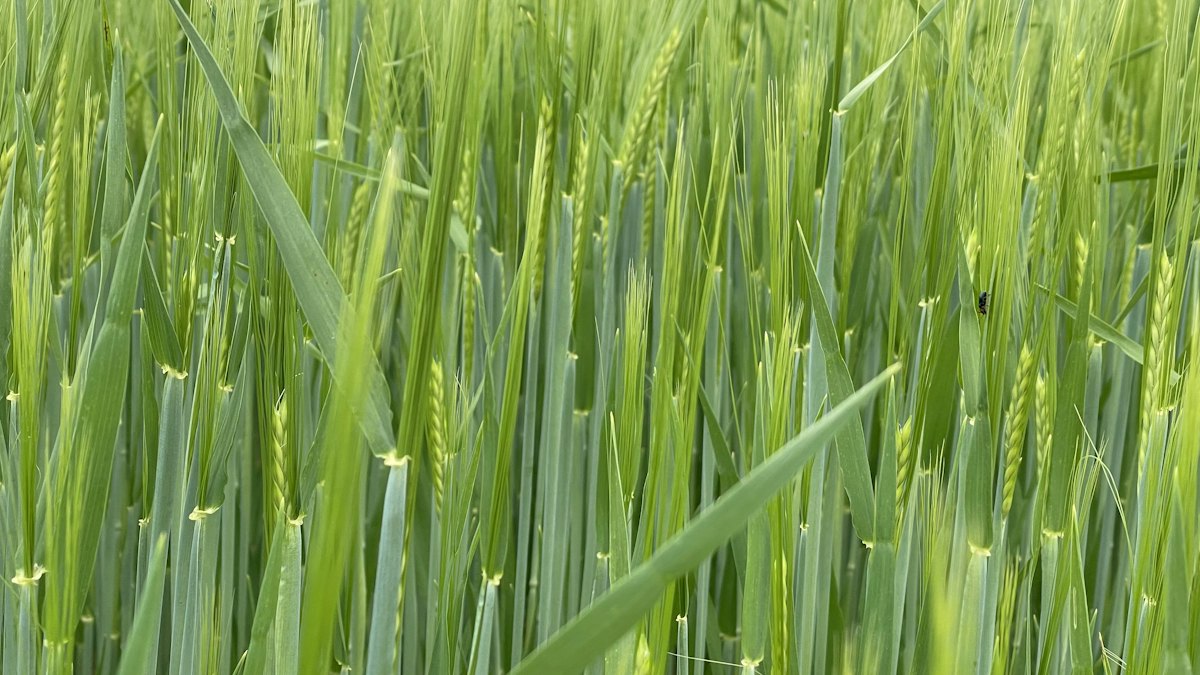
The USDA National Agricultural Statistics Service (USDA NASS) issued its weekly Crop Progress report on November 2. As of November 1, 83% of winter wheat in the 18 main states had been planted, against a 2021–2025 average of 84%, and 65% had emerged. Some 44% of the crop is rated good to excellent and 18% poor to very poor; in Oklahoma only 25% is rated good to excellent.
Key figures
- Planted: 83% (avg. 84%)
- Emerged: 65% (avg. 65%)
- Good to excellent: 44%
- Poor to very poor: 18%
- Oklahoma: 62% planted
- Kansas: 47% good/excellent
What changed
Over the week, winter wheat planting rose from 76% to 83% and emergence from 53% to 65%, keeping the country almost level with the five-year average on both measures. But the picture varies by state. Oklahoma has planted only 62% against an average of 79%, and 41% has emerged against an average of 59%. Kansas has planted 86% against 87%, and 66% has emerged against 68%. Texas, by contrast, is ahead: 77% planted against 75%, and 63% emerged against 53%.
By the numbers
Share of the crop rated good to excellent on November 1:
- 18 states: 44%, with another 38% fair and 18% poor to very poor.
- Kansas: 47%, poor to very poor 20%.
- Nebraska: 67%, poor to very poor 14%.
- Oklahoma: 25%, poor to very poor 25%.
- Texas: 33%, poor to very poor 34%.
- Montana: 57%, poor to very poor 1%.
Soil and harvest
The soil is also drier on the southern plains: 46% of fields in Oklahoma have short or very short topsoil moisture, 40% in Texas and 20% in Kansas. The fall harvest, meanwhile, is running close to normal: corn is 74% harvested against an average of 77% (60% a week earlier), and soybeans 88% against 84%. Iowa has harvested 66% of its corn against an average of 79%. The report's tables have no 2025 data, so the comparison is only with the five-year average.
What it means for buyers
Two takeaways matter for purchase planning. First, the condition of winter wheat at the start varies widely by state, so it is too early to judge the future crop by a single national figure; the next report comes out on November 9. Second, the corn and soybean harvest is nearing its end, which means combines and headers in the USA will soon be out of the field and can be inspected after the season. A buyer planning machinery for their own 2027 harvest would do well to settle on the model and budget in advance.
Buying machinery in the USA?
Used John Deere combines and sprayers from the USA — delivered prices on our website.
Source: USDA National Agricultural Statistics Service (USDA NASS), Crop Progress