
Argentina: the Paraná at Rosario is at its highest November level since 1998 — 4.47 m against a 5.00 m alert mark
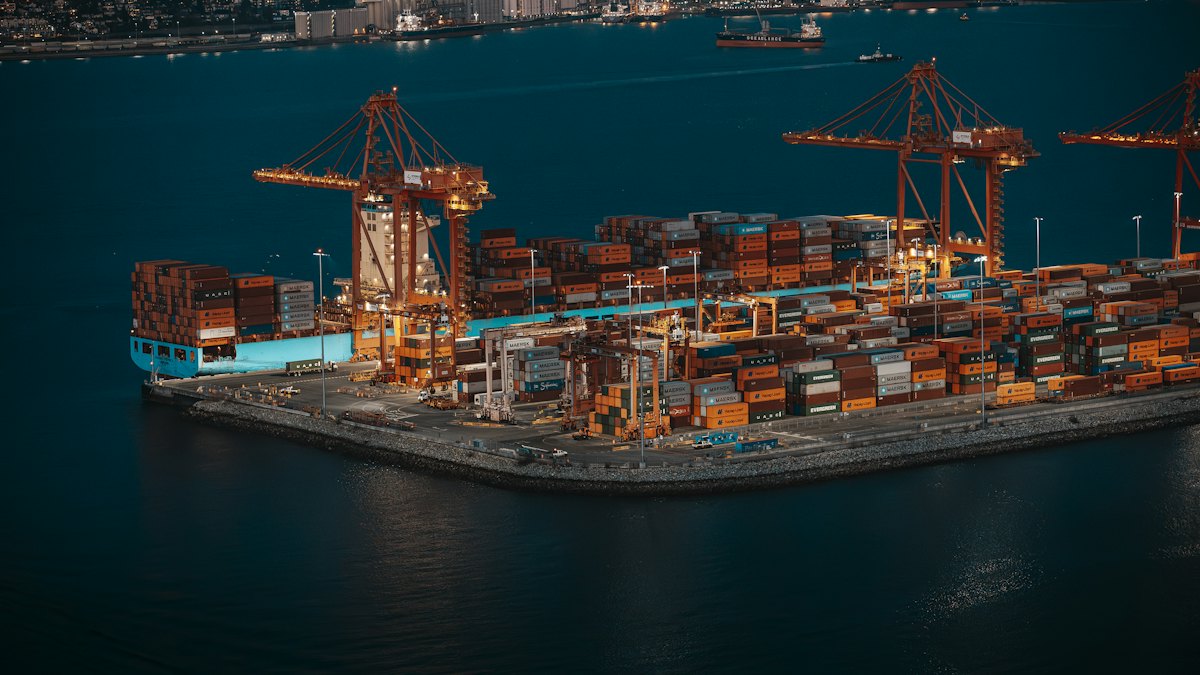
The Rosario Board of Trade (BCR) reported in its weekly review no. 2269 of 13 November 2026 that the Paraná River at Rosario has reached its highest November level since 1998. The figures come from Argentina's National Water Institute (INA).
Key figures
- Paraná: 4.47 m on 11 Nov
- Highest November since 1998
- Alert mark: 5.00 m
- +1.9 m in nine weeks
- Ships still load partly
What changed
The Paraná at Rosario is at its highest level for November since 1998, the year of the extraordinary flood linked to the 1997–98 El Niño. According to INA, the local gauge read 4.40 m on 10 November and about 4.47 m on 11 November. The rise is driven by large flows from the upper basin: inflow to the Yacyretá dam is 28,000 m³/s against an alert threshold of 25,000 m³/s.
In numbers
Figures from the BCR review of 13 November 2026:
- About 60 cm to the alert mark (5.00 m) and 83 cm to the evacuation level (5.30 m)
- Weekly average for week 46: about 4.28 m, nearly 1.9 m above the five-year (2.37 m) and ten-year (2.39 m) averages
- The same week in 2025: 2.32 m; in 2024: 0.58 m
- From a low of 2.35 m in mid-September the river rose almost 1.9 m in nine weeks
- Paraná port: 5.23 m against an alert mark of 4.70 m; Santa Fe: 5.02 m against 5.30 m
Outlook and shipping
INA expects the river at Rosario to keep rising for about seven more days, then fluctuate or level off near the peak over the following 7–14 days. There is a chance it will approach or exceed the alert mark; the upper end of every estimate is above the evacuation level. High water will probably last at least until the end of the month. But a higher river does not mean deeper loading: the design draft of the main navigation channel from Timbúes to the ocean is 34 feet, and the tighter limit is the Río de la Plata channels, which depend on tides and winds. Larger vessels still leave the Greater Rosario terminals partly loaded and top up at deep-water ports. A flood also carries more sediment, which speeds up silting of critical passes.
What it means for the buyer
For a farmer in Argentina the review is a logistics signal: high water on the Paraná neither speeds up nor cheapens grain exports, because ships still leave Rosario partly loaded. If you plan to buy machinery that moves through the ports and rivers of the region, or to ship your crop through Greater Rosario, allow extra time and ask the carrier about its terms at peak water levels. Follow INA's daily readings: they decide whether the alert mark is reached.
Equipment from the USA
John Deere combines, tractors and sprayers from the USA, delivered - on our website.
Source: Rosario Board of Trade (BCR), Informativo Semanal no. 2269, 13 November 2026