
Portugal: grain crops came in below last year, and heat brought the corn and rice harvests forward
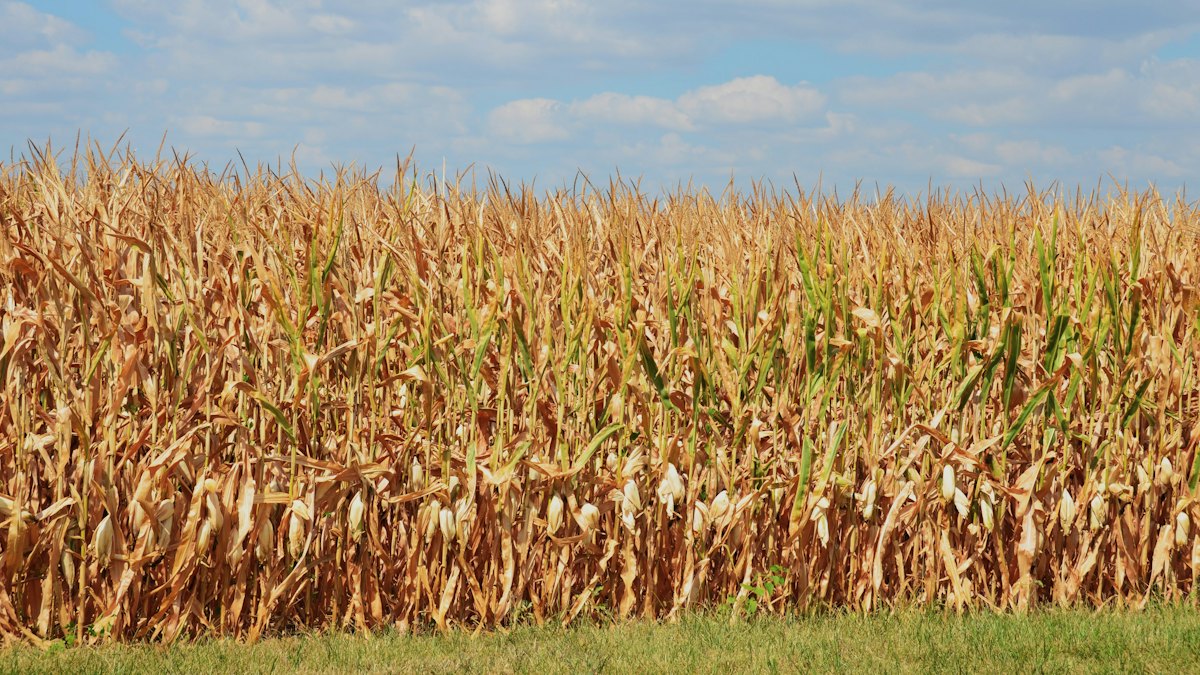
Portugal's Office for Planning, Policy and General Administration (GPP) on October 30 published its September bulletin on crop conditions and harvest forecasts. It confirms that grain yields and output were below last year's, and that high temperatures sped up ripening and brought forward the corn, rice, grape and olive harvests. Dry soil, meanwhile, is getting in the way of field preparation for fall sowing.
Key figures
- Grains: below 2025
- Heat: up to 41.2 °C in September
- Alentejo corn area: −6%
- Rice: 10–40% harvested
- Wine: harvest above 2025
- Alentejo olive oil: +10%
What changed
September was very hot and nearly rainless: temperatures reached 41.2 °C in Torres Vedras, and the average high in the Algarve was 33.8 °C. The harvest of fall and winter grains is over, and GPP confirms a season of lower yields than a year ago. Lower yields were recorded in Alentejo for soft and durum wheat, oats and barley, as well as in the north and center of the country. On corn and rice, the heat sped up ripening and grain drying, and rice saw a higher share of broken grains.
By the numbers
The bulletin's main crop data:
- Corn: the harvest will continue in October and in places in November; in the north yields are below last year's.
- Alentejo: the corn area shrank by about 6%, yields are within the normal range.
- Rice at the end of September: about 10% harvested in Oeste, 35% in Lezíria do Tejo and 40% in Grande Lisboa.
- Irrigated potatoes in Alentejo: about 35 t/ha, a preliminary estimate.
- Grapes: output generally above 2025, quality good.
- Olive oil in Alentejo: output up by about 10%.
Water and feed
Water reserves in reservoirs have fallen, but in Alentejo they generally remain above average, and there are no restrictions on the main irrigation systems. In the north, in Trás-os-Montes, the water shortage worsened. Natural pastures are dry, with little biomass and low nutritional value, so most farms in Alentejo are feeding their livestock stored feed; this raises costs, which are also affected by the price of fuel.
What it means for a farmer in Portugal
The sowing of winter crops and new forage crops depends on rain: GPP warns that dry soil may complicate field preparation in the center of the country and in the Algarve. This season it makes sense to tie the timing of work to soil moisture rather than the calendar, and to get seeding equipment ready in advance for the short window after the rains. In the center of the country and around Lisbon, irrigated corn yielded as much as last year or more, while rainfed yields fell. Livestock farmers should calculate their feed and straw reserves in advance.
Planning to upgrade your machinery?
Used John Deere combines and sprayers from the USA, with delivery — take a look at our listings.
Source: GPP — Office for Planning, Policy and General Administration of Portugal